
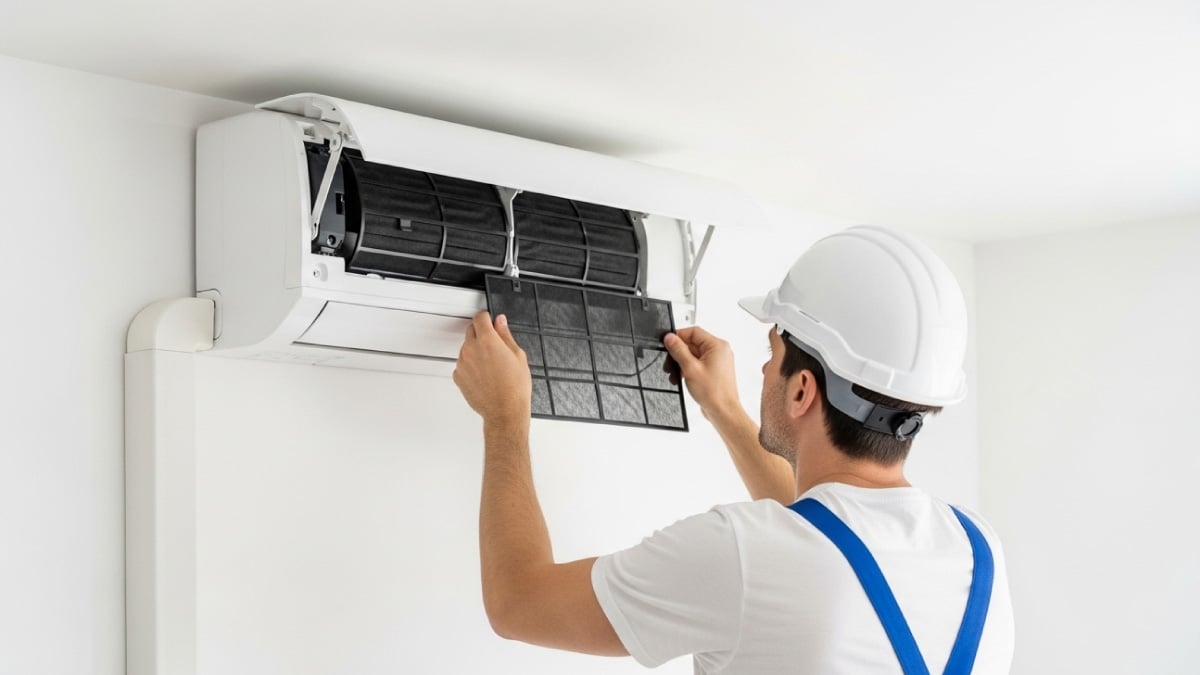
Choosing a new air conditioning system is one of the bigger home investments you’ll make. Cregger helps Metro Detroit homeowners navigate their options and install systems that are properly sized, energy-efficient, and built for Michigan’s climate. This guide walks you through everything you need to know.
Michigan’s Climate and What It Demands From an AC System
Metro Detroit summers are hot and humid. July temperatures regularly reach the upper 80s and 90s with high humidity — conditions that strain underpowered or improperly sized cooling systems. On top of heat, Michigan homeowners also deal with significant seasonal swings, with heating needs from October through April.
The best AC system for Michigan isn’t just about cooling capacity. Humidity control, efficiency, and durability in variable conditions all matter.
Types of Air Conditioning Systems
Cregger installs several types of cooling systems. Here’s a quick overview:
- Central air conditioning: The most common option for Metro Detroit homes. A central AC system uses existing ductwork to cool the entire house from a single outdoor unit and indoor air handler.
- Ductless mini-split systems: Ideal for homes without ductwork, room additions, or garage conversions. Mini-splits provide targeted cooling with no duct losses.
- Heat pump systems: Heat pumps both cool in summer and heat in winter, making them highly efficient for moderate climates. More on this in our heat pump comparison article.
- High-velocity systems: Designed for older homes with limited space for ductwork, using smaller flexible ducts.
How to Size an AC System Correctly
Sizing is the most critical part of any AC installation — and the area where mistakes are most costly. An oversized system cools too quickly without removing humidity, leaving your home feeling clammy. An undersized system runs constantly and can’t keep up on the hottest days.
Cregger performs Manual J load calculations to determine the correct system size for your home. This accounts for square footage, ceiling height, insulation levels, window placement, and sun exposure — not just square footage alone.
SEER Ratings and Energy Efficiency
AC systems are rated by their Seasonal Energy Efficiency Ratio (SEER). Higher SEER means lower operating costs. As of 2023, the federal minimum for new systems in Michigan is 14 SEER. Modern high-efficiency units reach 18–25 SEER or higher.
Upgrading from an older 10 SEER system to a modern 16 SEER unit can reduce cooling energy use by 38% or more. The payback period depends on how much you run your AC and current energy prices.
What to Expect During AC Installation
A typical central AC installation takes four to eight hours for a straightforward replacement. New installations or systems requiring ductwork modifications take longer. Cregger’s installation process includes:
- Removing and disposing of the old system
- Installing the new outdoor condenser and indoor air handler
- Connecting refrigerant lines, electrical connections, and condensate drain
- Charging the system with refrigerant to manufacturer specifications
- Testing and commissioning the system before completing the job
- Walking you through thermostat settings and basic maintenance
How Much Does AC Installation Cost in Metro Detroit?
Central AC installation in the Detroit area typically runs $3,500–$8,000 for a standard system replacement, depending on unit size, efficiency rating, and any ductwork modifications needed. Premium high-efficiency systems or complex installations may cost more.
Ductless mini-split systems for a single zone start around $2,500–$5,000 installed. Multi-zone systems are higher.
Schedule your AC installation with Cregger today. We serve Ferndale, Royal Oak, Birmingham, Troy, and communities across Metro Detroit with expert cooling solutions built for Michigan summers.