
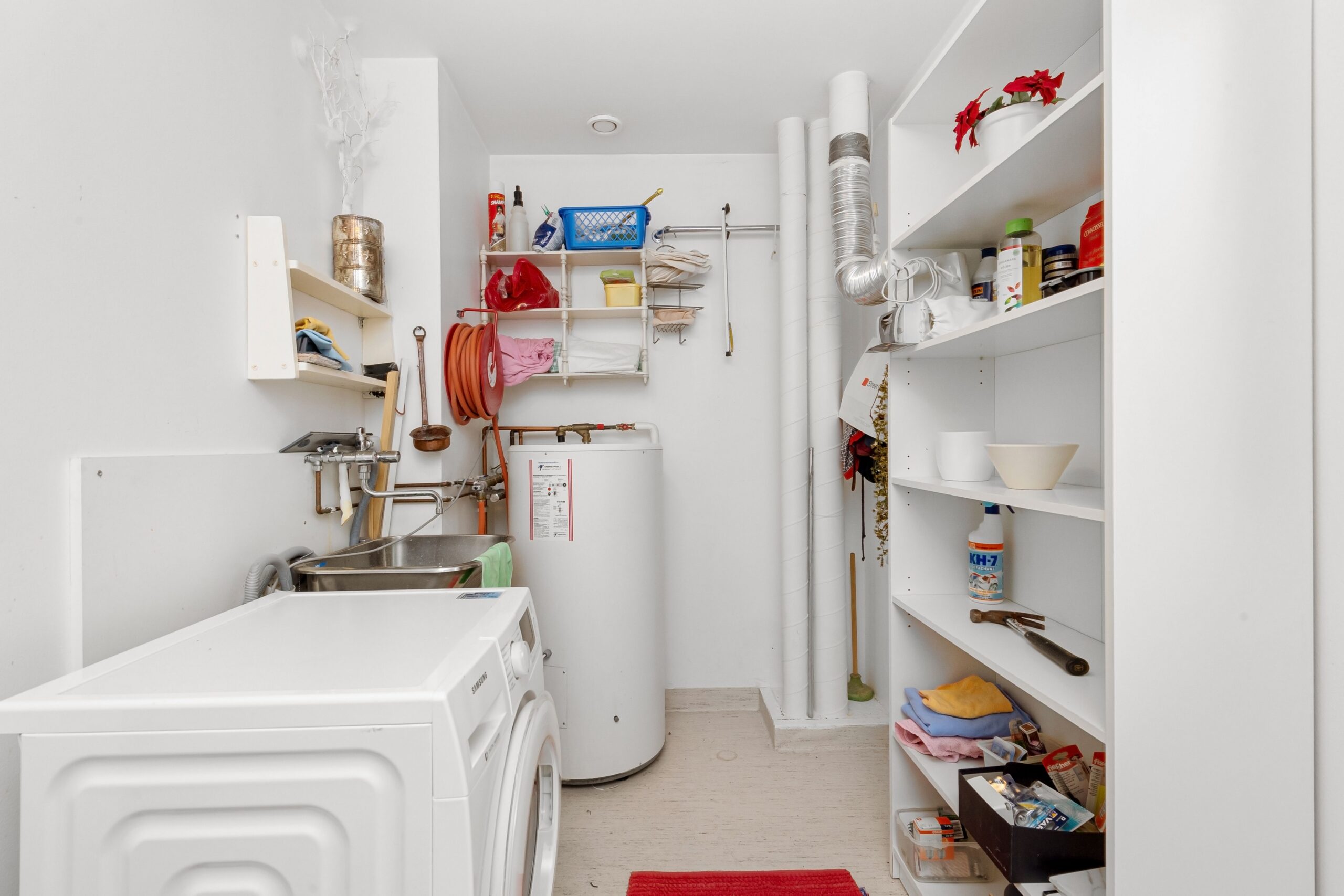
Cregger has replaced thousands of water heaters across Metro Detroit over the past 30 years. One question comes up constantly: how long should a water heater actually last? The answer depends on the type of unit, how well it’s been maintained, and the water quality in your area.
Average Water Heater Lifespan
Here’s what you can generally expect from different types of water heaters:
- Traditional tank water heaters (gas): 8–12 years
- Traditional tank water heaters (electric): 10–15 years
- Tankless water heaters (gas or electric): 15–20+ years
- Heat pump water heaters: 10–15 years
Michigan’s hard water significantly affects these numbers. Mineral deposits accelerate wear on heating elements and tank walls, often shaving years off a unit’s life. Homes that skip annual maintenance tend to see premature failures.
How to Find Your Water Heater’s Age
Most homeowners don’t know how old their water heater is. The manufacture date is encoded in the serial number on the unit’s label. The format varies by brand, but typically the first four characters include the year and week or month of manufacture. If you’re unsure how to decode yours, Cregger can check it during any service call.
7 Signs Your Water Heater Needs Replacement
Age alone isn’t always the deciding factor. Watch for these warning signs that your water heater is nearing the end of its useful life:
- Age over 10–12 years: Even if it’s still working, efficiency has likely dropped significantly.
- Rusty or discolored water: Corrosion inside the tank is irreversible and means replacement is coming.
- Rumbling or banging noises: Heavy sediment buildup causes these sounds and accelerates tank damage.
- Visible corrosion or rust on the tank: External rust often means internal rust is worse.
- Pooling water near the unit: Small leaks from tank walls signal the unit is failing.
- Inconsistent water temperature: If you can’t rely on hot water anymore, the unit is likely failing.
- Repeated repairs in the past two years: Multiple repair calls are often a signal it’s time to stop patching and replace.
Repair vs. Replace: How to Decide
Cregger uses a simple formula to help homeowners decide: multiply the age of the unit (in years) by the estimated repair cost. If that number exceeds $1,000 — or exceeds the cost of a new unit — replacement is typically the smarter financial choice.
There’s also a comfort factor. An aging water heater that’s patched together is less reliable than a new unit with a full warranty. No one wants to lose hot water in the middle of a Michigan January.
What to Expect When Replacing a Water Heater
A standard water heater replacement typically takes two to four hours. Cregger handles everything: removing the old unit, installing the new one, connecting gas or electrical lines, verifying proper pressure and temperature settings, and testing before we leave.
We carry leading brands including Rheem, Bradford White, and A.O. Smith. Cregger will help you choose the right size and fuel type for your home’s specific needs and budget.
How to Extend Your Water Heater’s Life
Annual maintenance makes a real difference. Cregger recommends flushing the tank yearly to remove sediment, inspecting and replacing the anode rod every two to three years, and checking the pressure relief valve for proper operation. These simple steps can add years to your unit’s life and prevent unexpected failures.
Stay comfortable year-round — schedule your water heater inspection with Cregger today. We serve Ferndale, Royal Oak, and communities across Metro Detroit with honest advice and dependable service.