
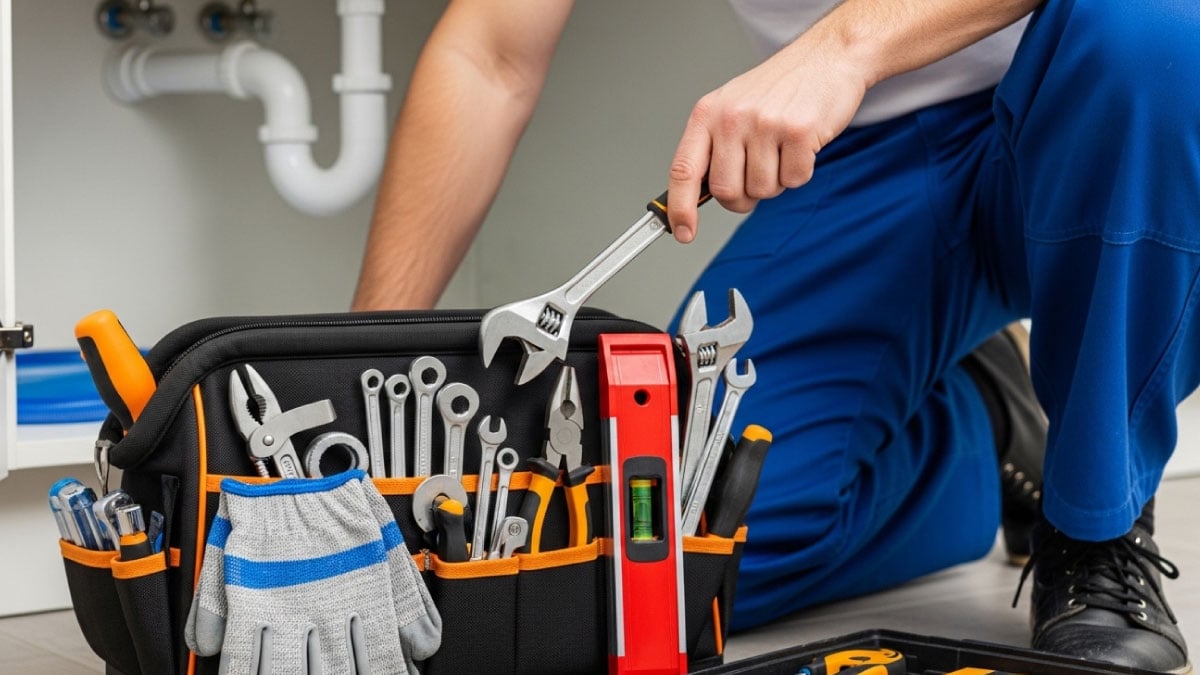
Cregger is proud to serve homeowners across Metro Detroit with expert heating, cooling, plumbing, and electrician. Plumbing problems have a way of feeling straightforward at first: a dripping faucet, a slow drain, a water heater acting up. Then the estimate comes in higher than expected—or the job expands once work begins—and homeowners start wondering where the extra costs came from.
The reality is that plumbing is often hidden behind walls, under floors, and inside ceilings. The true cost of a job isn’t always the part you can see. Hidden plumbing costs usually come from access issues, code requirements, damaged components you can’t evaluate until the system is opened, and related work that falls outside of “plumbing only,” like restoration.
The good news is that most hidden costs are predictable once you know what to look for. Below are the most common ones in Metro Detroit homes and how to reduce surprise expenses.
What Homeowners Need to Know About Plumbing Estimates
A plumbing estimate is built from a few key pieces: labor time, parts/materials, access difficulty, and risk factors. When a problem is visible—like a leaking trap under a sink—pricing is usually simpler. When a problem is concealed—like a pipe leak behind tile or inside a ceiling—the scope can change quickly.
In Southeast Michigan, older homes in areas like Ferndale and Royal Oak often add another layer. Aging shutoff valves, older piping materials, and decades of renovations can make “simple” jobs more complicated once the work begins.
A transparent plumber will explain what’s known, what’s uncertain, and what could expand the scope. That conversation is what prevents hidden costs from feeling like surprises.
Hidden Cost #1: Access and Restoration (Opening Walls, Floors, or Ceilings)
One of the biggest hidden plumbing costs is not the plumbing itself—it’s getting to the plumbing.
If a leak is behind drywall, plaster, tile, or cabinetry, the plumber may need to open a section to reach the pipe. That’s often the only responsible way to make a proper repair.
What many homeowners don’t realize is that restoration may be separate. Depending on the company and scope, plumbing service may include limited patching, but repainting, tile replacement, flooring repairs, or full drywall finishing may be handled by another trade.
How to reduce this cost:
- Address leaks early before damage spreads
- Ask where the repair point is likely located and what access is needed
- Ask whether restoration is included or separate
- Consider the least invasive diagnostic option before opening large areas
Hidden Cost #2: Water Damage and Drying Requirements
A slow leak can cause a lot of hidden damage. By the time you see a ceiling stain or a soft spot in flooring, water may have been present for a while.
Costs can rise quickly when drying, remediation, or material replacement becomes necessary. Basements are common in Metro Detroit, and water damage in basements can affect drywall, carpet, stored items, and framing.
How to reduce this cost:
- Respond quickly to small leaks and moisture odors
- Don’t ignore “minor” stains, bubbling paint, or warped trim
- If a leak has been active for days, ask whether drying is needed before closing walls
- Maintain sump pumps and drainage systems to reduce basement moisture risk
Hidden Cost #3: Old Shutoff Valves That Won’t Close
Many plumbing repairs require shutting off water locally. In older Michigan homes, shutoff valves can be stuck, corroded, or ineffective. That can turn a simple repair into a bigger job.
For example, replacing a faucet might require replacing a faulty shutoff valve first. Or a corroded valve might break when turned, which then requires immediate repair.
How to reduce this cost:
- Have older shutoff valves evaluated and replaced proactively
- If you’re planning fixture upgrades, budget for valve replacement in older homes
- Ask the plumber to test shutoffs before starting work so you understand the risks upfront
Hidden Cost #4: Aging Pipes and “Secondary Failures”
Sometimes the issue you called about is only part of the story. When pipes are old, repairing one section can reveal weakness elsewhere. This is especially true when corrosion is present or when prior repairs were done inconsistently.
A repair may require additional replacements to ensure the fix holds. That’s not a scam—it’s often what prevents call-backs and repeated leaks.
How to reduce this cost:
- Ask whether the pipe material and surrounding sections are in good condition
- Consider targeted upgrades if multiple repairs have occurred in the same area
- Keep records of prior plumbing work to spot patterns over time
Hidden Cost #5: Drain and Sewer Complexity
A clog is not always a clog. A slow drain could be grease buildup, mineral scaling, root intrusion, a partial sewer blockage, or a damaged line.
Clearing a drain might solve the immediate backup, but if the underlying issue is deeper, additional services may be recommended—inspection, deeper cleaning, or repair.
Common add-on costs in drain/sewer work:
- Sewer line inspection when symptoms suggest deeper issues
- Repeat cleanings if buildup is heavy and longstanding
- Repairs if root intrusion or pipe damage is discovered
- Access needs if the repair requires excavation or interior access
How to reduce this cost:
- Don’t wait until a full backup to address slow drains
- Avoid chemical cleaners that can mask symptoms without solving the cause
- Ask what the likely cause is and whether inspection is recommended based on your symptoms
- For older homes, consider preventive sewer inspection before emergencies occur
Hidden Cost #6: Code Requirements and Permit-Related Expenses
Certain plumbing work can involve code compliance and permits. This is more common for water heater replacement, major line changes, or significant remodel work.
Sometimes a “like-for-like” replacement isn’t possible because code has changed since your home was built. That can require updated venting, safety valves, expansion tanks, or other components.
How to reduce this cost:
- Ask whether permits are required for your specific job
- Ask what code upgrades might apply in your area
- Work with a company that is familiar with local requirements and explains them clearly
Hidden Cost #7: Fixture and Material Selections
Not all parts are the same. A basic faucet, toilet, or valve may be inexpensive, but premium fixtures, specialty finishes, and brand-specific components can raise cost quickly.
In addition, some homes require specialty parts due to older piping or unique configurations.
How to reduce this cost:
- Confirm what materials are included in the quote
- Ask about good/better/best options with clear price differences
- If you’re providing your own fixtures, confirm compatibility before installation day
Hidden Cost #8: After-Hours and Emergency Service Fees
Plumbing emergencies services don’t wait for business hours. After-hours service can cost more due to rapid response, overtime labor, and limited scheduling flexibility.
Higher fees aren’t automatically unfair. What matters is clarity. A reputable company explains emergency rates upfront and provides clear options once the issue is diagnosed.
How to reduce this cost:
- Address small leaks before they become emergencies
- Maintain sump pumps and water heaters proactively
- Ask about same-day service options before after-hours becomes necessary
- Get clear confirmation of any emergency fees before dispatch
Hidden Cost #9: “Plumbing Plus” Work (Electrical, Carpentry, or HVAC Coordination)
Some plumbing projects affect other home systems. A water heater may require electrical work. A remodel may require coordination with HVAC duct routing. A sump pump may need electrical updates or backup power planning.
Cregger’s advantage for homeowners is that Cregger supports plumbing, HVAC, and electrician under one trusted team. That can simplify coordination and reduce delays when multiple trades would otherwise be involved.
How to reduce this cost:
- Ask early whether the plumbing work involves electrical changes
- Confirm whether multiple trades are required and how they’ll be coordinated
- Plan upgrades holistically when possible, especially in older homes
Hidden Cost #10: Preventable Damage From Delayed Repairs
The most expensive plumbing cost is often the one caused by waiting. A small drip can damage cabinets. A slow drain can turn into a backup that ruins flooring. A failing water heater can leak and damage basements.
In Michigan, winter adds risk. If plumbing leaks contribute to low indoor temperatures or moisture near exterior walls, the chance of freeze-related damage rises.
How to reduce this cost:
- Treat recurring issues as warning signs, not nuisances
- Schedule service when you first notice symptoms
- Keep up with seasonal maintenance: water heaters, sump pumps, and drains
A Practical Checklist to Avoid Surprise Plumbing Costs
Use this before you approve major work:
- Ask what’s known and what can’t be confirmed until access is gained
- Confirm what’s included: labor, parts, cleanup, disposal, permits
- Ask whether restoration (drywall/tile/paint) is included or separate
- Ask about the condition of shutoffs and surrounding piping
- Request options (repair vs. upgrade) when appropriate
- For drain issues, ask whether the symptoms suggest a deeper line problem
- Get documentation for larger repairs and replacements
These steps make pricing clearer and prevent misunderstandings.
Frequently Asked Questions About Hidden Plumbing Costs
Why can’t a plumber quote an exact price without seeing the problem?
Because access, pipe condition, and damage extent can change the scope. A reputable plumber should explain uncertainties and provide a range when possible.
Are code upgrades really necessary?
If the work requires it, yes. Code requirements exist for safety and performance. A trustworthy company explains what’s required and why.
Can I reduce costs by doing restoration myself?
Sometimes, yes—if you’re comfortable with patching, painting, or tile work. Just confirm scope and responsibilities upfront so the plumbing repair is protected and properly finished.
If you’re concerned about hidden plumbing costs, Cregger can provide clear explanations, transparent options, and dependable service across Metro Detroit. Call Cregger today for trusted plumbing support in Ferndale, Royal Oak, Berkley, Birmingham, Troy, Detroit, and surrounding suburbs. Need help fast? Contact Cregger for same-day home service. Protect your home and your budget—schedule your appointment with Cregger today.