
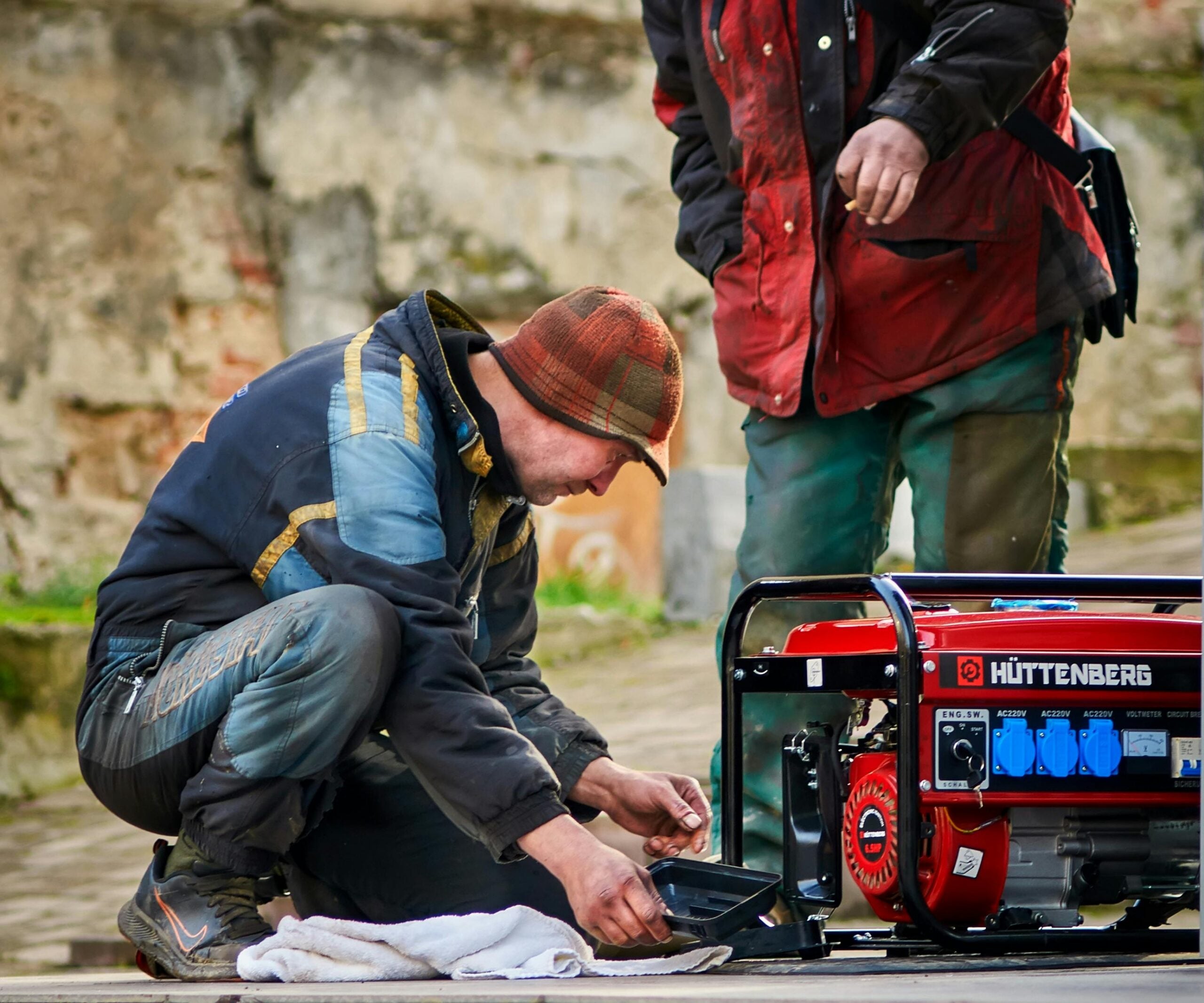
Cregger is proud to serve homeowners across Metro Detroit with expert heating, cooling, plumbing, and electrical services. If you’ve invested in a home generator, you’ve already taken an important step toward protecting your home from unexpected power outages. But like any major system, a generator requires regular maintenance to ensure it works when you need it most.
A generator that isn’t properly maintained may fail during an outage — defeating the entire purpose of having backup power. Whether you rely on your generator during winter storms, summer outages, or emergency situations, keeping it in top condition is essential.
This guide covers everything Michigan homeowners need to know about generator maintenance, including routine care, warning signs, seasonal considerations, and when to call a professional.
Why Generator Maintenance Is So Important
Your generator is designed to sit idle most of the time — but that doesn’t mean it can be ignored.
In fact, systems that aren’t used regularly often require more attention, not less.
The Risk of Neglecting Maintenance
Without proper maintenance, your generator may:
- Fail to start during an outage
- Run inefficiently
- Experience premature wear
- Develop fuel or battery issues
- Suffer internal damage
The worst-case scenario is discovering your generator isn’t working when your home loses power — especially during extreme weather.
The Goal of Maintenance
Regular maintenance ensures:
- Reliable startup during outages
- Consistent performance under load
- Longer system lifespan
- Safer operation
It’s about peace of mind — knowing your system will perform when it matters.
How Often Should You Maintain Your Generator?
Generator maintenance isn’t a one-time task — it’s an ongoing process.
Basic Maintenance Schedule
- Monthly: Visual checks and test runs
- Quarterly: Deeper inspections and cleaning
- Annually: Professional servicing
Usage Matters
If your generator runs frequently (such as during repeated outages), it may require more frequent maintenance.
Standby generators often perform automatic self-tests, but these do not replace proper inspections.
Monthly Generator Maintenance Tips
Monthly checks are simple but extremely important.
1. Run Your Generator
Running your generator regularly keeps internal components lubricated and prevents fuel system issues.
- Let it run for 10–20 minutes
- Ensure it starts smoothly
- Listen for unusual noises
This helps identify problems early.
2. Check for Visible Damage
Look for:
- Loose connections
- Corrosion
- Oil or fuel leaks
- Debris buildup
Even small issues can become larger problems over time.
3. Inspect the Battery
The battery is one of the most common points of failure.
Check for:
- Corrosion on terminals
- Secure connections
- Signs of wear
A weak battery can prevent your generator from starting.
Quarterly Maintenance Tasks
Every few months, it’s important to take a closer look at your system.
1. Check Oil Levels
Oil is critical for engine performance.
- Ensure oil levels are within recommended range
- Look for discoloration or contamination
Low or dirty oil can cause engine damage.
2. Inspect Air Filters
Air filters prevent dirt and debris from entering the engine.
Dirty filters can:
- Reduce efficiency
- Restrict airflow
- Cause overheating
Replace filters if they appear clogged.
3. Clear Debris Around the Unit
Generators need proper airflow to operate safely.
Keep the area around your generator clear of:
- Leaves
- Snow
- Dirt
- Vegetation
This is especially important in Michigan, where seasonal debris can accumulate quickly.
Annual Professional Maintenance
While homeowners can handle basic tasks, annual servicing should be performed by a professional.
What Professional Maintenance Includes
- Full system inspection
- Oil and filter changes
- Battery testing and replacement if needed
- Fuel system checks
- Load testing
- Electrical connection inspection
Why Professional Service Matters
A licensed technician can identify issues that may not be visible during routine checks, ensuring your generator is fully prepared for emergency use.
Fuel System Maintenance
Fuel quality and delivery are critical for generator performance.
For Natural Gas or Propane Generators
- Check for leaks in fuel lines
- Ensure connections are secure
- Confirm steady fuel supply
For Gasoline or Diesel Generators
- Avoid using old or stale fuel
- Add fuel stabilizer if stored long-term
- Keep tanks clean
Fuel issues are one of the most common causes of generator failure.
Battery Maintenance Tips
The battery powers the generator’s startup system.
Common Battery Issues
- Loss of charge
- Corrosion
- Loose connections
Maintenance Tips
- Test battery voltage regularly
- Clean terminals
- Replace batteries every few years
A dead battery is one of the most common reasons generators fail during outages.
Seasonal Maintenance Considerations in Michigan
Michigan’s climate adds another layer to generator maintenance.
Winter Preparation
Cold temperatures can affect generator performance.
Before winter:
- Check battery condition
- Ensure fuel lines are clear
- Remove snow buildup regularly
Summer Preparation
Summer storms can lead to sudden outages.
Before storm season:
- Test system operation
- Clear debris
- Inspect connections
Preparing for seasonal changes helps ensure your generator is ready year-round.
Signs Your Generator Needs Service
Even with regular maintenance, problems can develop.
Watch for These Warning Signs
- Difficulty starting
- Unusual noises or vibrations
- Reduced power output
- Warning lights or error messages
- Fuel or oil leaks
Why You Should Act Quickly
Small issues can escalate into major failures if left unaddressed. Early repairs are usually faster and more affordable.
Load Testing: Why It Matters
A generator may start fine but still fail under load.
What Is Load Testing?
Load testing ensures your generator can handle the electrical demand of your home during an outage.
Why It’s Important
Without load testing, you may not know if your system can:
- Power essential appliances
- Maintain stable performance
- Operate safely under stress
This is typically done during professional maintenance.
Extending the Life of Your Generator
With proper care, generators can last many years.
Best Practices
- Follow a regular maintenance schedule
- Address issues early
- Keep the unit clean and clear
- Use quality fuel
- Schedule annual inspections
Why Longevity Matters
Generators are a long-term investment. Proper maintenance protects that investment and ensures reliable performance.
Common Generator Maintenance Mistakes
Avoiding these mistakes can save time, money, and frustration.
Skipping Regular Testing
Generators that sit unused can develop issues.
Ignoring Small Problems
Minor issues often lead to larger repairs.
Using Poor-Quality Fuel
Fuel issues can damage internal components.
Neglecting Professional Service
DIY maintenance alone isn’t enough.
Frequently Asked Questions About Generator Maintenance
How often should I run my generator?
At least once a month for 10–20 minutes.
How long do generators last?
With proper maintenance, many systems last 10–20 years or more.
Can I perform maintenance myself?
You can handle basic tasks, but professional servicing is essential.
What happens if I don’t maintain my generator?
It may fail during an outage or require costly repairs.
When to Call an Electrician
If your generator hasn’t been serviced recently — or you’re unsure of its condition — now is the time to schedule an inspection. Regular maintenance ensures your system is ready when you need it most.
For over 30 years, Cregger has helped Michigan homeowners stay safe, prepared, and protected during power outages. Whether you need routine maintenance or a full system evaluation, expert service ensures reliable backup power.Stay comfortable year-round — schedule your appointment with Cregger today.