
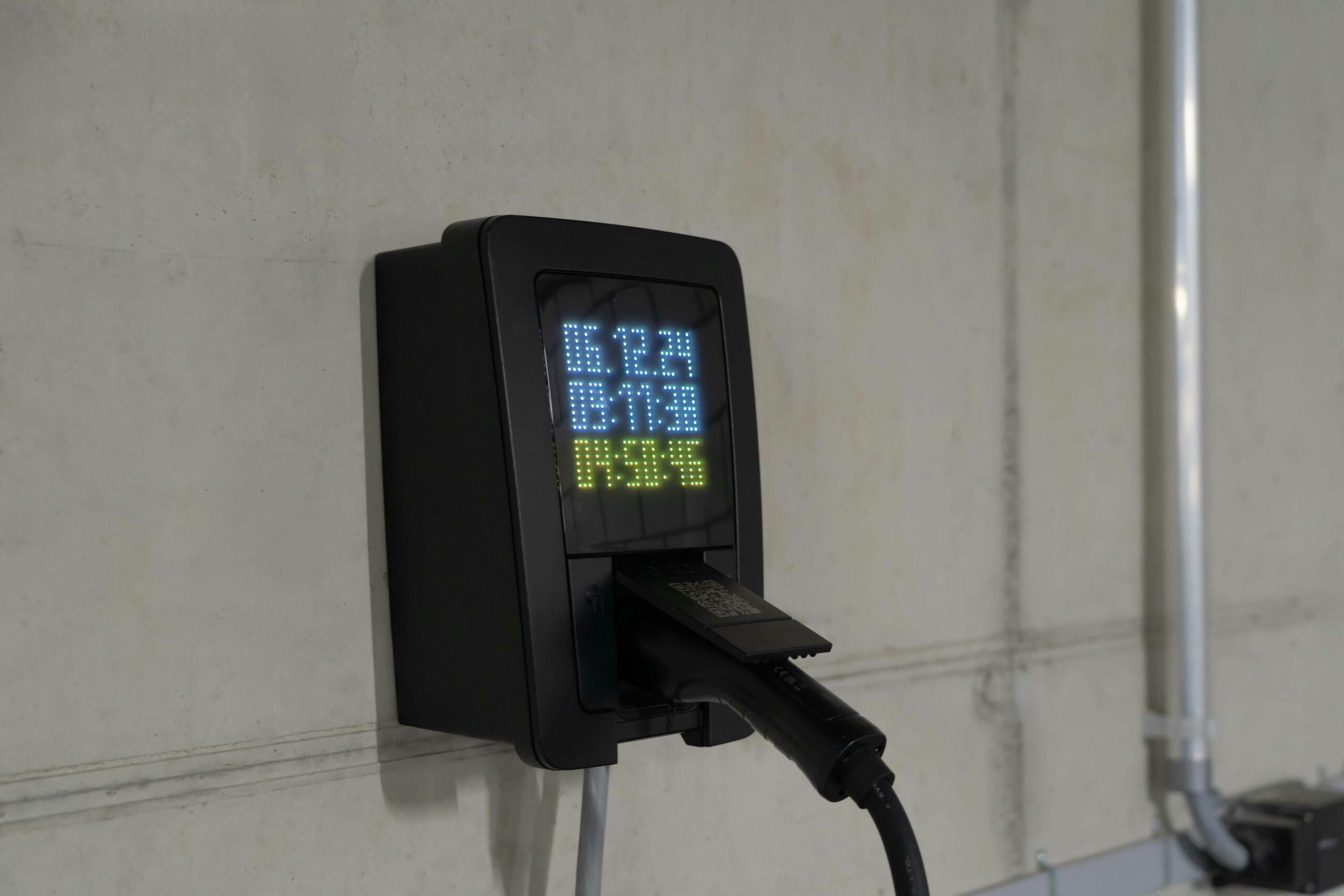
Cregger is proud to serve homeowners across Metro Detroit with expert heating, cooling, plumbing, and electrical services. As electric vehicles (EVs) become more common, many homeowners are choosing to install charging stations at home for convenience and long-term savings. One of the most common questions we hear is: how much does EV charger installation cost in Michigan?
The answer depends on several factors, including your home’s electrical system, the type of charger you choose, and the complexity of installation. In this guide, we’ll break down costs, explain what affects pricing, and help you understand what to expect before installing an EV charger in your home.
What Homeowners Need to Know About EV Charger Installation
Installing an EV charger at home allows you to charge your vehicle overnight and avoid relying on public charging stations. While basic charging can be done with a standard outlet, most homeowners opt for faster and more efficient solutions.
There are two primary types of home EV chargers:
- Level 1 chargers (120V) – Plug into standard outlets but charge slowly
- Level 2 chargers (240V) – Require professional installation but charge significantly faster
Most Michigan homeowners choose Level 2 chargers because they offer the speed and reliability needed for daily use.
Average Cost of EV Charger Installation in Michigan
In Metro Detroit and surrounding areas, homeowners can typically expect:
- $500 to $1,200 for simple installations (existing 240V circuit nearby)
- $1,200 to $2,500 for standard installations
- $2,500 to $5,000+ for complex installations involving panel upgrades or long wiring runs
These costs include labor and materials but may vary depending on your home’s electrical setup.
What Factors Affect EV Charger Installation Cost?
Several variables influence the final cost of installing an EV charger.
1. Type of Charger
The charger itself is a significant portion of the total cost.
- Level 1 chargers are usually included with your vehicle
- Level 2 chargers typically cost $400 to $1,200+, depending on features
Higher-end models may include:
- Wi-Fi connectivity
- Smart scheduling
- Energy monitoring
2. Electrical Panel Capacity
Your home’s electrical panel must be able to handle the additional load of an EV charger.
If your panel is already near capacity, you may need:
- A panel upgrade
- Additional circuits
This can add $1,500 to $3,500+ to the total cost.
3. Distance from Panel to Installation Location
The farther your charger is from your electrical panel, the more wiring and labor are required.
Costs increase when:
- The garage is detached
- The charger is installed outdoors
- Walls or ceilings must be opened
Longer wiring runs can significantly impact total cost.
4. Installation Complexity
Every home is different, and installation complexity plays a major role in pricing.
Factors that increase complexity include:
- Older wiring systems
- Limited panel access
- Structural obstacles
- Outdoor installation requirements
A straightforward installation will cost less than a custom or challenging setup.
5. Permits and Inspections
In Michigan, EV charger installation often requires permits and inspections to ensure safety and code compliance.
Permit costs vary by municipality but are an important part of the overall project.
Why EV Charger Installation Costs Vary in Michigan
Metro Detroit homes often present unique challenges that can influence installation cost.
Older Homes
Many homes in Ferndale, Royal Oak, and Berkley were built decades ago and may require electrical upgrades.
Seasonal Conditions
Cold winters can impact installation timelines, especially for outdoor setups.
Modern Energy Demand
Homes already using high levels of electricity may need panel upgrades to support EV charging.
These factors make professional assessment essential before installation.
Level 1 vs. Level 2 Charging: Cost vs. Value
While Level 1 charging is cheaper upfront, it may not meet your needs long-term.
Level 1 Charging
- Low cost
- Slow charging (adds ~3–5 miles per hour)
- Best for very low daily driving
Level 2 Charging
- Higher upfront cost
- Fast charging (adds ~20–40 miles per hour)
- Ideal for daily use
Most homeowners find that Level 2 charging provides better long-term value and convenience.
Is EV Charger Installation Worth the Cost?
For many homeowners, installing an EV charger is a smart investment.
Convenience
Charge your vehicle at home instead of relying on public stations.
Time Savings
No waiting in line or detouring for charging.
Lower Long-Term Costs
Home charging is often more affordable than public charging.
Increased Property Value
EV-ready homes are becoming more attractive to buyers.
As EV adoption continues to grow, home charging is quickly becoming a standard feature.
Additional Costs to Consider
Beyond installation, there are a few additional costs to keep in mind.
Electricity Usage
Charging your EV will increase your energy usage, though it’s typically still cheaper than gasoline.
Maintenance
EV chargers require minimal maintenance but should be inspected periodically.
Future Upgrades
If you add additional EVs or appliances, your system may need further upgrades.
Planning ahead can help minimize these costs.
Preparing Your Home for EV Charger Installation
Before installing a charger, it’s important to evaluate your home’s readiness.
Check Panel Capacity
Ensure your panel can support additional load.
Choose the Right Location
Select a convenient and accessible installation spot.
Plan for Future Needs
Consider whether you may need additional chargers later.
Schedule a Professional Assessment
An electrician can identify any required upgrades before installation begins.
Preparation helps ensure a smooth and efficient installation process.
Common Installation Scenarios and Costs
Here’s how different situations can affect pricing:
Simple Installation
- Charger near panel
- No upgrades needed
- Cost: $500–$1,200
Moderate Installation
- New 240V circuit required
- Minor electrical work
- Cost: $1,200–$2,500
Complex Installation
- Panel upgrade required
- Long wiring distance
- Structural modifications
- Cost: $2,500–$5,000+
Understanding your situation helps set realistic expectations.
EV Charger Installation in Older Homes
Older homes often require additional upgrades to safely support EV charging.
Common needs include:
- Electrical panel upgrades
- Wiring updates
- Grounding improvements
While this increases upfront cost, it improves overall system safety and reliability.
Avoiding Common Installation Mistakes
Working with a professional helps prevent costly errors.
Common mistakes include:
- Installing a charger without checking panel capacity
- Choosing the wrong charger type
- Improper wiring or connections
- Ignoring code requirements
Professional installation ensures your system is safe and built to last.
Frequently Asked Questions About EV Charger Costs
How long does installation take?
Most installations are completed in one day, depending on complexity.
Do I need a panel upgrade?
It depends on your current system’s capacity.
Can I install an EV charger myself?
It’s not recommended due to safety and code requirements.
Will installation increase my home value?
Yes. EV-ready homes are increasingly desirable.
When to Call an Electrician
If you’re considering installing an EV charger, a professional assessment is the best place to start. Every home is different, and proper planning ensures safe, efficient installation.
For over 30 years, Cregger has helped Michigan homeowners stay safe, comfortable, and prepared for the future. Whether you’re installing your first EV charger or upgrading your electrical system, expert service ensures reliable performance.Stay comfortable year-round — schedule your appointment with Cregger today.