
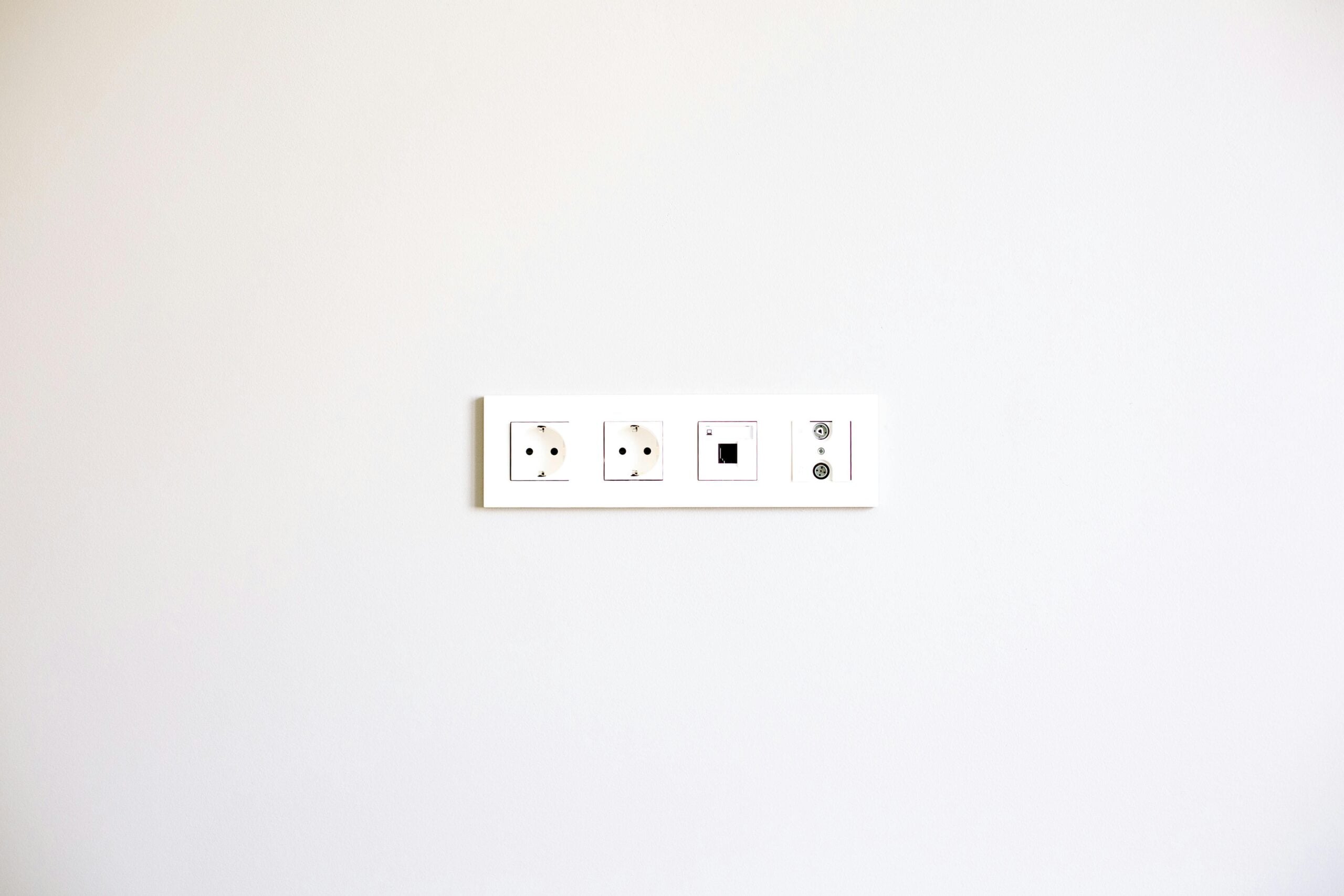
Cregger is proud to serve homeowners across Metro Detroit with expert heating, cooling, plumbing, and electrical services. If you’ve ever plugged something into an outlet and seen a spark, it can be alarming — and for good reason. While some small sparks are normal, others can signal a serious electrical issue that needs immediate attention.
Understanding why outlets spark — and knowing what to do next — can help protect your home from damage and reduce the risk of fire or electrical shock.
What Homeowners Need to Know About Sparking Outlets
A spark occurs when electricity jumps between connections as a device is plugged in or unplugged. In some cases, this is harmless. In others, it can indicate worn components, faulty wiring, or dangerous electrical conditions.
The key is knowing the difference between a normal spark and a warning sign.
Is It Normal for an Outlet to Spark?
In some situations, yes — but only briefly and under specific conditions.
A small, quick spark may occur when:
- Plugging in a device that draws power immediately
- Using appliances like lamps or small electronics
- The spark is blue and short-lived
This type of spark is usually harmless and caused by electricity completing the circuit.
However, larger or persistent sparks are not normal and should be taken seriously.
Common Causes of Sparking Outlets
Sparking outlets can happen for a variety of reasons. Some are minor, while others pose serious risks.
1. Loose Connections
Loose wiring inside the outlet is one of the most common causes of sparking.
When connections aren’t secure, electricity can “jump” between gaps instead of flowing smoothly.
Signs include:
- Frequent sparking
- Crackling or buzzing sounds
- Intermittent power
Loose connections can worsen over time and increase fire risk if not addressed.
2. Worn-Out or Old Outlets
Outlets wear out over time, especially in high-use areas like kitchens and living rooms.
You may notice:
- Plugs don’t fit tightly
- Outlets feel loose
- Visible wear or discoloration
When outlets can’t hold plugs securely, the connection becomes unstable — leading to sparks.
3. Faulty or Damaged Wiring
Damaged wiring behind the outlet can create inconsistent electrical flow.
This can result from:
- Aging wiring in older homes
- Rodent damage
- Poor previous installations
Faulty wiring is one of the most serious causes of sparking and should always be evaluated by a professional.
4. Moisture Exposure
Outlets located in kitchens, bathrooms, basements, or outdoors are more vulnerable to moisture.
Water can interfere with electrical connections and increase the risk of sparking.
This is why GFCI outlets are required in these areas — they shut off power when a fault is detected.
5. Overloaded Circuits
Plugging too many devices into one outlet or circuit can cause overheating and sparking.
Common scenarios include:
- Using multiple power strips
- Running high-wattage appliances together
- Overloading older circuits
Overloaded circuits not only cause sparks but can also trip breakers and damage wiring.
6. Short Circuits
A short circuit occurs when a hot wire touches a neutral wire, creating a sudden surge of electricity.
This can cause:
- Larger, more intense sparks
- Burning smells
- Immediate breaker trips
Short circuits are dangerous and require immediate professional attention.
Why Sparking Outlets Are More Common in Michigan Homes
Several factors make sparking outlets more likely in Metro Detroit homes.
Older Electrical Systems
Many homes in Ferndale, Royal Oak, and Berkley still have original wiring or outdated outlets.
Seasonal Energy Demand
- Winter: Space heaters and heating systems increase load
- Summer: Air conditioning and electronics require steady power
Moisture and Humidity
Basements and seasonal weather changes can introduce moisture near outlets.
These conditions increase the importance of maintaining safe, updated electrical components.
Warning Signs That a Sparking Outlet Is Dangerous
Not all sparks are equal. Some indicate serious hazards that should never be ignored.
Call a professional immediately if you notice:
- Large, bright, or repeated sparks
- Burning smells or smoke
- Warm or hot outlets
- Discoloration or scorch marks
- Buzzing or crackling sounds
- Outlets that stop working suddenly
These signs may indicate overheating, wiring issues, or fire risk.
What to Do If Your Outlet Sparks
If you see a spark, it’s important to respond carefully.
Step 1: Stop Using the Outlet
Avoid plugging anything else into the outlet until the issue is resolved.
Step 2: Turn Off Power
If possible, turn off the circuit at your breaker panel to prevent further risk.
Step 3: Inspect for Visible Damage
Look for burn marks, loose connections, or unusual smells.
Step 4: Avoid DIY Repairs
Electrical issues can be dangerous. It’s best to leave repairs to a licensed electrician.
Step 5: Call a Professional
A qualified electrician can diagnose the issue and make safe, lasting repairs.
How Electricians Fix Sparking Outlets
When you call a professional, they will identify the root cause of the problem and recommend the appropriate solution.
Common repairs include:
- Tightening or replacing wiring connections
- Installing new outlets
- Replacing damaged wiring
- Adding GFCI protection
- Upgrading circuits to handle higher load
This ensures the problem is resolved safely and prevents future issues.
Upgrading Outlets for Better Safety
If your home has older outlets, upgrading can significantly improve safety and performance.
GFCI Outlets
Protect against electrical shock in moisture-prone areas.
AFCI Outlets
Help prevent electrical fires by detecting dangerous arcs.
Modern Grounded Outlets
Provide safer connections for modern devices.
Upgrading outlets is one of the simplest ways to modernize your electrical system.
Preventing Sparking Outlets in the Future
Taking a proactive approach can help reduce the risk of outlet issues.
Avoid Overloading Outlets
Distribute devices across multiple circuits.
Replace Worn Outlets
If plugs feel loose, it’s time for a replacement.
Upgrade Older Wiring
Modern systems are safer and more reliable.
Schedule Electrical Inspections
Routine checks help identify issues before they become serious.
These steps help keep your home safe and your system running efficiently.
Frequently Asked Questions About Sparking Outlets
Are small sparks always dangerous?
Not always. Small, brief sparks can be normal, but larger or repeated sparks are not.
Can a sparking outlet cause a fire?
Yes. Loose connections or faulty wiring can lead to overheating and fire risk.
Should I replace a sparking outlet immediately?
Yes, especially if the sparking is frequent or accompanied by other warning signs.
Can I fix a sparking outlet myself?
It’s not recommended. Electrical repairs should be handled by a professional.
When to Call an Electrician
If your outlet is sparking and you’re unsure why, it’s best to have it inspected right away. Electrical issues can escalate quickly and pose serious safety risks if left unresolved.
For over 30 years, Cregger has helped Michigan homeowners stay safe, comfortable, and confident in their homes. If you’re dealing with sparking outlets, professional service can identify the cause and restore safe, reliable performance.Stay comfortable year-round — schedule your appointment with Cregger today.