
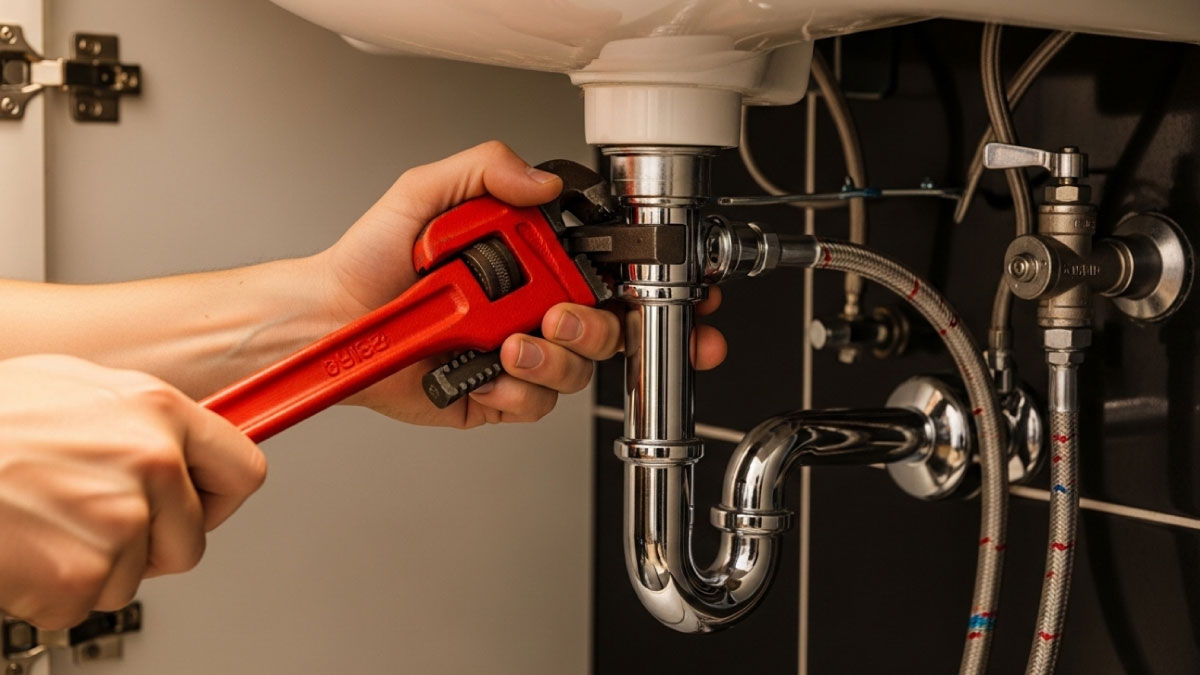
Cregger is proud to serve Southeast Michigan with expert heating, cooling, plumbing, and electrician. Large-scale plumbing installations—whether for multi-family housing, mixed-use buildings, commercial spaces, or major home additions—are a different animal than a typical residential repair. There are more fixtures, longer runs, tighter timelines, more inspections, and more opportunities for small mistakes to become expensive problems.
The best large-scale installs aren’t just about “getting pipes in the walls.” They’re about planning, coordination, code compliance, quality control, and long-term performance. Below are the most common challenges and the practical ways experienced teams overcome them.
What Homeowners and Property Managers Need to Know About Large-Scale Plumbing Projects
Large-scale plumbing work is like building a system of highways inside a building. Water supply has to reach every “destination” with the right pressure. Drainage has to move waste reliably without clogs, odors, or backflow. Venting has to keep traps protected and systems balanced. And everything has to meet local code while staying on schedule.
In Southeast Michigan, older infrastructure, seasonal weather, and tight construction windows can add complexity. A strong plan is what keeps a project from turning into a budget and timeline nightmare.
Challenge 1: Coordinating With Other Trades
Plumbing touches almost everything: framing, electrical, HVAC, fire protection, drywall, tile, and cabinetry. If rough-ins aren’t aligned, you can end up relocating drains, moving vent stacks, or opening finished surfaces—none of which is cheap.
How it’s overcome:
- Early coordination meetings with clear rough-in maps
- Marked measurements and elevations that match the plans
- Regular on-site check-ins and fast communication
- Documented changes so “field decisions” don’t cause later conflicts
Even a few inches of misalignment can ripple into expensive rework once walls are closed up.
Challenge 2: Material Lead Times and Scope Changes
Large installs often require specialty valves, backflow preventers, commercial-grade fixtures, and code-specific components. If ordering happens late, lead times can stall the entire job. Meanwhile, owners may change fixture selections or layouts, which can affect pipe sizing and routing.
How it’s overcome:
- Ordering long-lead materials early
- Approving fixture schedules before rough-in begins
- Keeping pre-approved alternates to prevent delays
- Clear change-order processes so scope changes are priced and tracked
When material planning is disciplined, the install stays on schedule instead of waiting on one missing component.
Challenge 3: Pressure, Flow, and Demand Calculations
In a large building, plumbing isn’t just “connect the lines.” A system has to deliver adequate pressure and volume across multiple floors and simultaneous uses. Under-sizing causes low pressure and tenant complaints. Over-sizing increases cost and can cause performance issues in some cases.
How it’s overcome:
- Correct load calculations for domestic supply and hot water demand
- Proper pipe sizing and balanced distribution
- Confirming real-world conditions in the field (not just on paper)
- Designing for peak usage patterns, not just average use
This is where experience matters. A system can technically “work” but still feel disappointing if demand patterns weren’t considered.
Challenge 4: Drainage, Venting, and Odor Control
Drainage failures are some of the most disruptive problems in large buildings. Poor slope, long horizontal runs without the right venting strategy, or incorrect trap protection can lead to slow drains, gurgling, or sewer odors.
How it’s overcome:
- Maintaining correct pitch throughout drain runs
- Using proper venting design to protect traps
- Avoiding “creative shortcuts” that cause call-backs later
- Pressure testing and functional testing before close-up
If you’ve ever smelled sewer odor in a bathroom that “looks fine,” venting and trap protection are often the root cause.
Challenge 5: Code Compliance and Inspection Readiness
Commercial and multi-family plumbing often includes strict requirements: backflow prevention, cleanouts, accessibility considerations, and approved materials and methods. Failing an inspection can delay other trades and snowball into a schedule crisis.
How it’s overcome:
- Code-aware planning from day one
- Pre-inspection walkthroughs to catch issues early
- Organized documentation for inspectors
- Scheduling inspections at the right milestones (not “when we remember”)
In a well-run project, inspections are planned events—not surprises.
Challenge 6: Water Heater Sizing and Hot Water Delivery
Large-scale buildings can create hot water challenges: long pipe runs, multiple bathrooms, high usage spikes, and temperature stability needs. If hot water delivery is slow or inconsistent, occupants complain—and those complaints never stop.
How it’s overcome:
- Right-sizing water heating systems to peak demand
- Recirculation planning where appropriate
- Insulation and heat loss reduction strategies
- Temperature control that balances comfort and safety
This is especially relevant in Michigan, where incoming water temperature is colder for much of the year. That affects heating load and recovery rates.
Challenge 7: Protecting Finished Surfaces and Reducing Rework
The most expensive plumbing fixes are the ones that happen after drywall, tile, and cabinets are installed. A tiny leak behind a wall can lead to mold, restoration costs, and tenant disruption.
How it’s overcome:
- Pressure testing supply lines
- Leak testing and verifying connections before close-up
- Quality control checklists at rough-in and trim-out
- Clear labeling of shutoffs and access points for future service
A few extra steps during installation can prevent months of headaches later.
Challenge 8: Keeping the Site Safe and Organized
Large job sites have more people, more materials, and more risk. Safety and organization affect productivity, and productivity affects cost.
How it’s overcome:
- Clean staging areas and labeled materials
- Clear pathways and proper storage
- Consistent jobsite cleanup
- Communication protocols so issues don’t get buried
It’s not glamorous, but organization is a major factor in whether a project feels smooth or chaotic.
A Step-by-Step Process That Helps Large-Scale Plumbing Installations Succeed
Here’s what a strong large-scale plumbing workflow often includes.
Step 1: Pre-construction planning
Confirm scope, fixture schedules, routing, and material selections.
Step 2: Coordination and rough-in mapping
Align plumbing with framing, electrical, HVAC, and structural requirements.
Step 3: Rough-in installation
Install supply, drain, and vent systems with correct sizing and slope.
Step 4: Testing and inspection prep
Pressure test, functional test, and prepare for inspections.
Step 5: Trim-out and finish work
Install fixtures, finalize connections, confirm performance.
Step 6: Final verification and documentation
Label shutoffs, provide maintenance guidance, confirm system operation.
This process reduces surprises, supports inspections, and improves long-term reliability.
Frequently Asked Questions About Large-Scale Plumbing Installations
Why do large projects get so many change orders?
Changes happen when scope isn’t defined early, fixtures change midstream, or site conditions differ from plans. Clear documentation and early decisions help keep changes under control.
What’s the biggest mistake in large plumbing installs?
Rushing rough-in without coordination and testing. That’s how expensive rework happens after walls close.
How do you reduce long-term maintenance problems?
Quality control, proper labeling, accessible shutoffs, and smart system design that considers real usage patterns.
If you’re planning a large-scale plumbing installation in Southeast Michigan, Cregger can help you plan for reliability, compliance, and a smoother build from start to finish. Call Cregger today to discuss your project needs. Need help fast? Contact Cregger for dependable service and straightforward communication. Stay confident in your building’s systems—schedule your appointment with Cregger today.