Cregger is proud to serve homeowners across Metro Detroit with expert heating, cooling, plumbing, and electrician. Plumbing mistakes are expensive for one reason: water spreads. A small problem can quickly turn into damaged floors, ruined cabinets, mold risk, and costly restoration—especially if it’s hidden behind walls or below a bathroom. In Michigan, winter adds another layer of risk, because plumbing problems can contribute to freezing conditions and burst pipes if heat is lost or moisture reaches cold areas.
The good news is that the most expensive plumbing mistakes are also some of the most preventable. Below are the mistakes that tend to cost homeowners the most, why they’re so costly, and what to do instead.
What Homeowners Need to Know About “Expensive” Plumbing Mistakes
The biggest plumbing costs usually come from one of these outcomes:
- Water damage and restoration
- Sewer backups and cleanup
- Emergency repairs after hours
- Repeated “temporary fixes” that fail again
- Damage to surrounding materials (tile, drywall, flooring, cabinetry)
If you want to save money, focus on preventing those outcomes. That means addressing small issues early, using correct repair methods, and avoiding habits that stress your plumbing system.
Mistake #1: Ignoring Small Leaks Because They Seem Minor
A dripping faucet or small leak under a sink can feel like a nuisance, not a crisis. But small leaks are often the beginning of large repair bills. Water can swell cabinets, rot subflooring, and create mold-friendly conditions over time.
Leaks behind walls are even worse because they stay hidden longer. By the time you see a stain, damage may already be significant.
What to do instead:
- Fix leaks promptly, even if they seem small
- Look for early signs: musty odors, warped trim, water spots, bubbling paint
- Check under sinks and around toilets periodically, especially in older homes
Mistake #2: Overusing Chemical Drain Cleaners
Chemical drain cleaners can feel like a quick win, but repeated use is a common path to expensive plumbing repairs. These products don’t always remove the full clog. They may create a small passage, which makes the drain seem “better,” but the buildup remains. Over time, repeated chemical use can be hard on pipes and fittings, especially in older systems.
What to do instead:
- Use strainers and hair catchers to reduce buildup
- For recurring clogs, schedule professional drain cleaning
- Treat repeat clogs as a sign of buildup or deeper line issues, not a one-time event
Mistake #3: Flushing Wipes and Other “Not-So-Flushable” Items
“Flushable” wipes are one of the most common causes of costly backups. Even products marketed as flushable can clump together in pipes and contribute to sewer line obstructions. In homes with older sewer lines, wipes can be the tipping point that causes a backup.
What to do instead:
- Flush only toilet paper
- Dispose of wipes and hygiene products in the trash
- If you’ve had backups before, consider proactive drain or sewer maintenance
Mistake #4: Skipping Water Heater Maintenance Until Something Fails
Water heaters can work “fine” until they don’t. Sediment buildup reduces efficiency, shortens lifespan, and can lead to overheating issues. When water heaters fail, they can leak and cause significant water damage—often in basements, where homeowners store valuable items.
What to do instead:
- Schedule routine maintenance and inspection
- Watch for warning signs: rusty water, rumbling noises, reduced hot water capacity
- Plan replacement before failure if the unit is aging and showing symptoms
Mistake #5: DIY Repairs Without the Right Materials or Fit
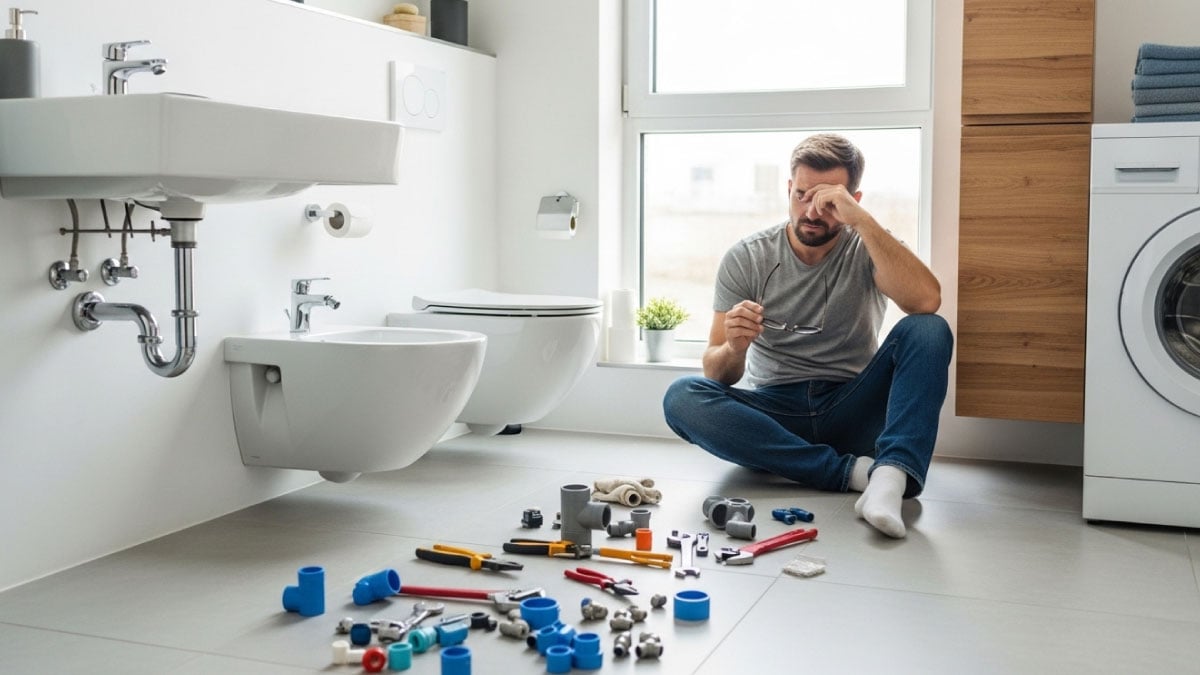
Some DIY repairs are fine. But many expensive plumbing mistakes start as a well-intentioned DIY fix using the wrong parts, incorrect sealant, overtightened fittings, or mismatched materials.
A repair that leaks slowly behind a wall can cause major damage before it’s discovered.
What to do instead:
- If you’re unsure about materials or connections, call a professional
- Avoid mixing incompatible metals and fittings
- Don’t overtighten connections—tight is good, crushed is not
- Use proper parts and follow manufacturer guidance for fixtures and valves
Mistake #6: Not Knowing Where Your Shutoff Valves Are
When a pipe bursts or a water heater leaks, every minute matters. If you don’t know where the main shutoff is, water can spread rapidly and increase restoration costs.
In older Michigan homes, shutoff valves can also be stiff or nonfunctional, which turns an emergency into a bigger issue.
What to do instead:
- Locate and label your main water shutoff
- Test it periodically (and replace it if it won’t function)
- Know shutoffs for toilets, sinks, and appliances if they’re accessible
Mistake #7: Failing to Prevent Frozen Pipes
Frozen pipes are one of the costliest winter plumbing disasters. When water freezes, it expands, and pipes can burst. The damage often happens when the pipe thaws and water flows out rapidly.
Frozen pipes are more likely in:
- Exterior walls with poor insulation
- Unheated basements or crawl spaces
- Rooms over garages
- Areas with drafts near plumbing lines
What to do instead:
- Keep heat set consistently during cold snaps
- Seal drafts near plumbing lines
- Insulate vulnerable pipes
- Open cabinet doors under sinks on exterior walls during extreme cold
- If you lose heat, protect plumbing immediately
Mistake #8: Ignoring Sewer Line Warning Signs
Sewer backups are expensive and disruptive. Warning signs often appear first: multiple slow drains, gurgling sounds, sewer odors, or water backing up in a basement drain.
Ignoring these symptoms can lead to a full backup with cleanup and restoration costs.
What to do instead:
- Treat multi-drain issues as urgent
- Schedule professional evaluation for recurring sewer symptoms
- Consider preventive maintenance for older homes or properties with mature trees
Mistake #9: Choosing the Cheapest Fix Without Considering Long-Term Cost
A cheap patch can be more expensive over time if it fails repeatedly. This is common with recurring leaks, repeated drain clogs, or aging plumbing components.
A good plumber explains whether a fix is a temporary stopgap or a durable repair and helps you weigh cost versus reliability.
What to do instead:
- Ask whether the repair will last and why
- Consider upgrade options when a component is failing repeatedly
- Think in terms of total cost over time, not just today’s invoice
Mistake #10: Waiting Until After-Hours to Address Known Issues
Many emergency plumbing calls start as issues homeowners noticed weeks earlier. A slow leak becomes a burst fitting. A struggling sump pump fails during heavy rain. A water heater that “seems fine” begins leaking overnight.
After-hours service can cost more, and emergencies often require more extensive work.
What to do instead:
- Schedule service when you first see warning signs
- Maintain sump pumps and water heaters proactively
- Fix minor leaks and drainage issues before they escalate
A Simple Checklist to Avoid the Costliest Plumbing Mistakes
- Fix leaks early
- Avoid chemical drain cleaners for recurring clogs
- Never flush wipes
- Maintain your water heater
- Know and test shutoff valves
- Prepare for Michigan freeze conditions
- Address sewer warning signs quickly
- Choose durable repairs, not repeated patches
- Don’t wait for after-hours emergencies
These habits reduce emergencies and protect your home.
Frequently Asked Questions About Costly Plumbing Mistakes
What’s the most expensive plumbing mistake?
Ignoring leaks and sewer warning signs tends to create the biggest bills because water damage and cleanup costs add up fast.
Are frozen pipes preventable?
Often, yes. Consistent heat, insulation, and draft sealing prevent many freeze issues.
When should I call a plumber instead of DIY?
If the repair involves concealed piping, recurring problems, or anything that could cause hidden leaks, professional service is usually the safer long-term choice.
If you want to avoid costly plumbing mistakes, Cregger can help with preventive maintenance, fast repairs, and clear guidance for protecting your home. Call Cregger today for trusted plumbing service across Metro Detroit. Need help fast? Contact Cregger for same-day home service. Stay protected year-round—schedule your appointment with Cregger today.