
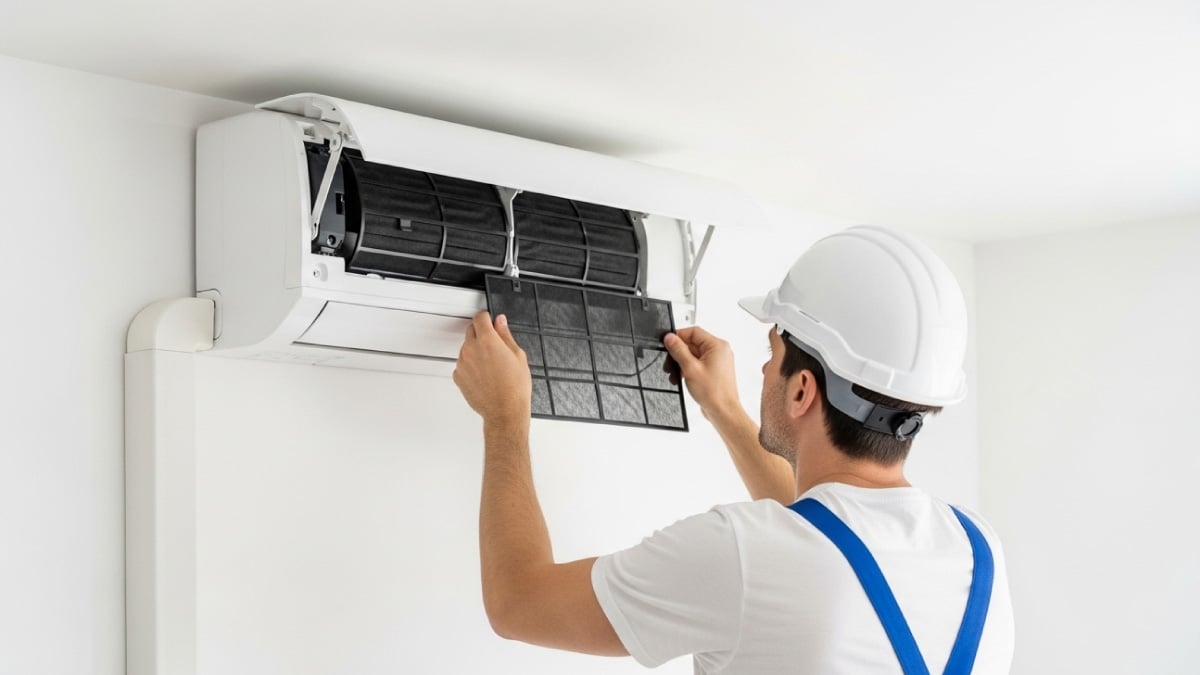
Cregger is proud to serve Ferndale, Detroit, Royal Oak, Berkley, Birmingham, Troy, and surrounding Metro Detroit suburbs with expert heating, cooling, plumbing, and electrician. When your air conditioner quits late at night, it’s not just uncomfortable—it can feel stressful and urgent. Michigan summers can be hot and humid, and if your home holds heat overnight, a breakdown can turn bedrooms into saunas fast.
The right question isn’t only “Who do I call?” It’s also: how do I stay safe tonight, what quick checks are worth doing, and what should I expect from an emergency HVAC visit? The goal is to get you relief quickly while protecting your system from further damage.
What Counts as an AC Emergency After Hours?
Not every AC issue needs a late-night call, but some situations really do. Emergency service is most appropriate when comfort becomes a health or safety concern, or when the system may be creating an electrical risk or water damage.
Common emergency scenarios include:
- Your AC is completely off during a heat wave or extreme humidity
- Your home has infants, seniors, or anyone sensitive to heat
- Your AC is tripping breakers repeatedly (possible electrical hazard)
- You smell burning, melting plastic, or strong electrical odors
- Your indoor unit is leaking heavily and causing water damage
- Your AC is running nonstop but not cooling at all (risk of compressor damage)
If you’re unsure whether it’s an emergency, focus on two factors: health/safety and risk of serious property damage. If either one is in play, it’s worth calling.
Where Can I Find Emergency AC Service in Metro Detroit?
For homeowners in Southeast Michigan, the safest route is to work with a local company that has a real address, licensed technicians, and a reputation for straightforward pricing. Cregger is based in Ferndale and serves Metro Detroit communities with dependable heating and cooling support—especially when the weather is pushing your system to its limits.
When you’re looking for emergency AC service late at night, look for companies that offer:
- Clear emergency service availability (not vague “maybe” language)
- Licensed and insured technicians
- Transparent pricing practices
- Dispatch and communication you can count on
- Experience with common Metro Detroit home setups (older ductwork, newer high-efficiency equipment, and everything in between)
What You Should Do Immediately Before You Call
When it’s late and you’re overheated, it’s easy to panic and start flipping switches randomly. A few calm steps can help you stay safe and may even get your system back up.
Safety-first checklist:
- If you smell burning or see sparks, turn the system off at the thermostat and breaker and call for help
- If the unit is leaking significantly, shut it off to prevent more damage
- If you suspect an electrical issue, avoid touching internal panels or wiring
Quick comfort checklist for tonight:
- Close blinds and curtains to reduce heat gain
- Run ceiling fans (counterclockwise in summer)
- Keep interior doors open to improve airflow
- Use a portable fan near a window to exhaust warm air (if outdoor temps are lower)
- Stay hydrated—especially for kids and older adults
These steps won’t replace AC, but they can make the night manageable while help is on the way.
Simple Troubleshooting Steps That Are Actually Worth Trying
There are a few homeowner checks that can be done safely, quickly, and without tools. Think of these as “high probability, low risk” checks.
1) Check the thermostat settings
Make sure it’s set to Cool and the temperature is lower than the current room temperature. If the screen is blank, replace the batteries if your model uses them.
2) Check the air filter
A severely clogged filter can cause the system to freeze up and stop cooling. If the filter looks packed with dust, replace it.
3) Look for ice on the refrigerant line
If the copper line outside has visible ice, turn the system off and let it thaw. Ice usually points to airflow restriction or refrigerant issues. Running it while frozen can damage components.
4) Check the breaker
If the breaker has tripped once, you can reset it one time. If it trips again, stop—repeated trips can mean a serious electrical issue.
5) Check the outdoor unit
If the outdoor fan isn’t running, that’s important information to share with the tech. Don’t reach into the unit, and don’t try to force the fan to spin.
If these steps don’t resolve it quickly, that’s a strong signal you’re dealing with something that needs professional diagnosis.
Why AC Failures Happen at Night
It feels unfair, but night failures are common. During the day, your system is running longer cycles and working hard to remove heat and humidity. Components that are already weak—like capacitors or contactors—often fail after hours of strain.
In Michigan, humid days can be especially hard on systems because your AC isn’t just cooling—it’s dehumidifying. That moisture removal adds workload and can expose issues like clogged condensate drains or marginal airflow.
What an After-Hours HVAC Tech Can Often Fix Quickly
Some emergency AC calls are resolved the same night. Others require parts, deeper diagnostics, or follow-up work. A reliable company will be honest about what can be done immediately and what should be scheduled.
Common “same-night fix” issues include:
- Failed capacitor: one of the most common hot-weather breakdown causes
- Failed contactor: prevents the outdoor unit from starting
- Clogged condensate drain: can trigger safety shutdowns and water leaks
- Thermostat or low-voltage control issues: especially in older setups
- Loose connections or minor electrical faults: when caught early
Issues that sometimes require a return visit:
- Refrigerant leaks or low refrigerant (requires leak detection and proper repairs)
- Compressor problems
- Fan motor failures (parts availability can vary)
- Ductwork issues causing major airflow loss
What to Expect During an Emergency AC Visit
A professional emergency visit should focus on two priorities: restore safe operation and get you cooling as quickly as possible.
A typical process includes:
- Confirming your symptoms and timeline
- Checking thermostat signals and system controls
- Testing electrical components safely
- Inspecting the outdoor unit and indoor coil conditions
- Evaluating airflow, filter condition, and drain performance
- Explaining what failed and why, then giving clear options
Even when the fix is straightforward, the explanation matters. You should understand what was done and what to watch for next.
How to Avoid Overpaying for Emergency AC Service
When you’re uncomfortable and it’s late, you’re vulnerable to vague pricing or upsells. There are a few ways to protect yourself.
Smart homeowner questions to ask:
- What diagnostic steps are you performing?
- What part failed, and can you show me the measurement or symptom?
- What are my repair options and the price for each?
- Is this a permanent repair or a temporary “get you through tonight” fix?
- What maintenance or changes would prevent this from happening again?
A trustworthy company will explain options without pressure.
Emergency AC Service vs. Waiting Until Morning: How to Decide
Sometimes the best move is to call right away. Other times, waiting is fine.
Call tonight if:
- The home is unsafe due to heat conditions
- Someone in the home is medically vulnerable
- You smell burning or see signs of electrical problems
- There is significant water leakage
- Your system is making loud, abnormal noises
- The outdoor unit is not running and the home is heating quickly
Wait until morning if:
- The system is still running but struggling
- The home is uncomfortable but manageable with fans
- There are no safety concerns, odors, leaks, or breaker trips
- You can keep the home stable overnight
If you’re on the fence, it’s reasonable to call and describe symptoms. A professional can help you decide the next best step based on what you’re experiencing.
How to Reduce the Chances of Another Late-Night Breakdown
Preventive maintenance is the biggest difference-maker. Most emergency failures have warning signs that show up earlier—like weak capacitors, dirty coils, or restricted airflow.
AC reliability checklist for Michigan summers:
- Replace filters regularly during cooling season
- Keep outdoor units clear of debris and vegetation
- Schedule a seasonal tune-up before peak summer heat
- Address unusual noises early
- Don’t ignore weak airflow or inconsistent cooling between rooms
The goal is simple: fewer surprises and better comfort when humidity spikes.
If you need an emergency AC fix late at night in Metro Detroit, call Cregger for dependable help and straightforward service. Need help fast? Contact Cregger for same-day home service. Stay comfortable year-round—schedule your appointment with Cregger today.